Invest in Parañaque

A MEGA CITY BY THE BAY

Low crime rate. Gateway to the world. Word-class hotels, condos, and restaurants. Center of Gravity in Mega Manila.

We definitely cannot simply judge a book by its cover. Imagining how Parañaque is through the news and using the information about the city from the internet is one thing, but actually visiting the place is another.
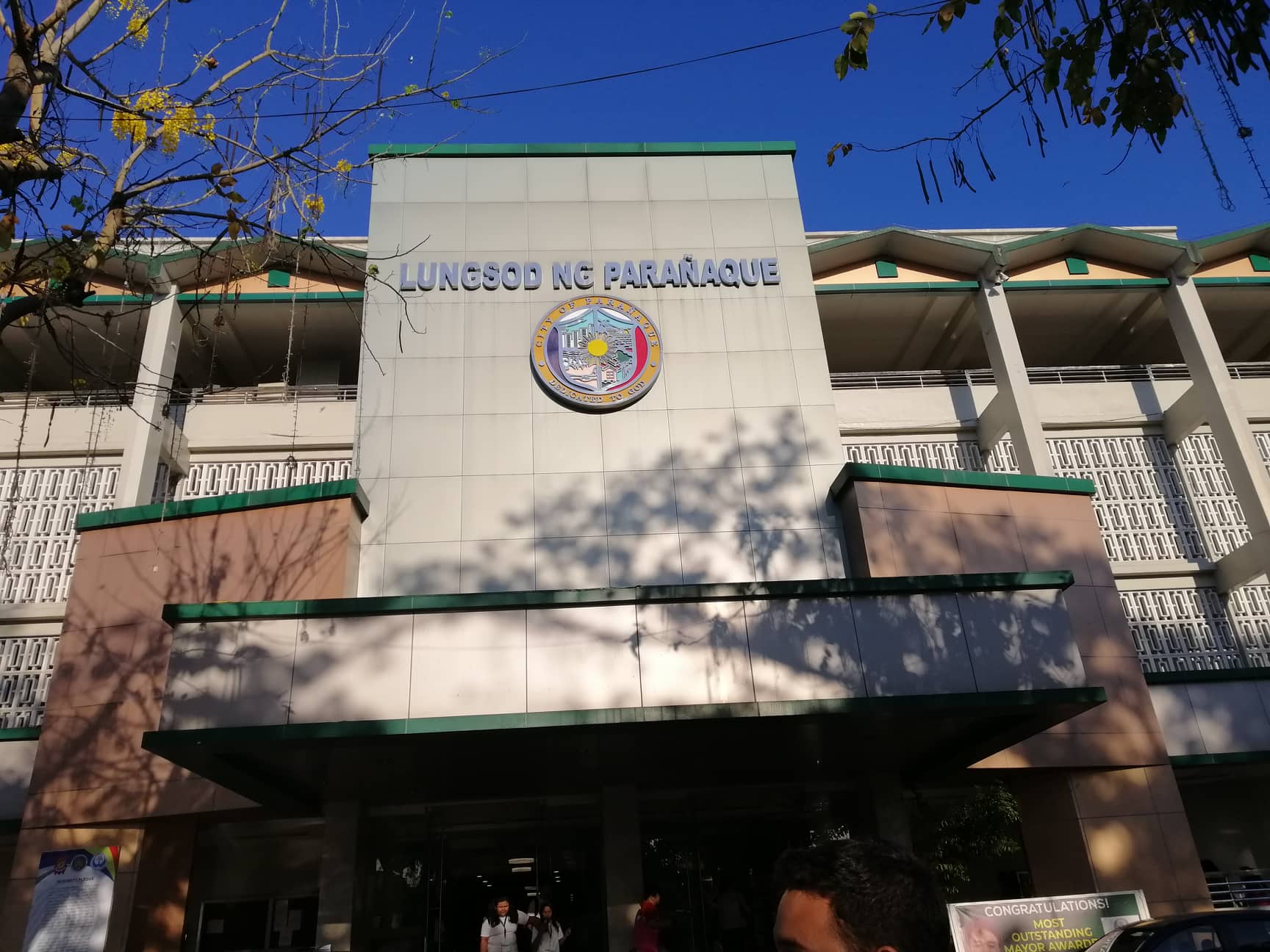
After around 2 1/2 hours of travel from Diliman, Quezon City, I was finally able to see the Business Permits and Licensing Office of Parañaque in person which we have been talking about as a group and in our individual blogs as well. Since day 1, I have always had high expectations on Parañaque BPLO because my group in PA 113 made a comparative study between the BPLO offices of other local government units and these offices actually mentioned Parañaque as one of the best if not the best BPLO in the country because of its smooth processing and I finally had the chance to actually see the office being put on a pedestal with my very own eyes.

Before I go into the details, I would like to talk about how I noticed that Parañaque is quite a challenging place to go to. I am not sure if this is because I am not used to going to this place and we could probably have commuted in a more efficient way, but in our case, we took the LRT, MRT, PNR, and even used Grab just so we could finally reach the City Hall of Parañaque and this for me says something about how Parañaque tends to be a little more “private” compared to other LGUs. I also noticed how most houses look like middle-class families live in there, or at least those houses that we happened to pass by as we visited the city which for me is also a sign of the economic status of Parañaque. In a magazine that we were able to grab a copy of, it was indicated that the poverty incidence of Parañaque in 2017 is 4.39% from 5.73% in 2016. As we were roaming around, all those small-scale to large-scale businesses saying hi to my face seemingly confirmed that Parañaque indeed is one of the leading business-friendly LGUs in Metro Manila. I have also seen the city ambulance and firetrucks ready in action along the roads.

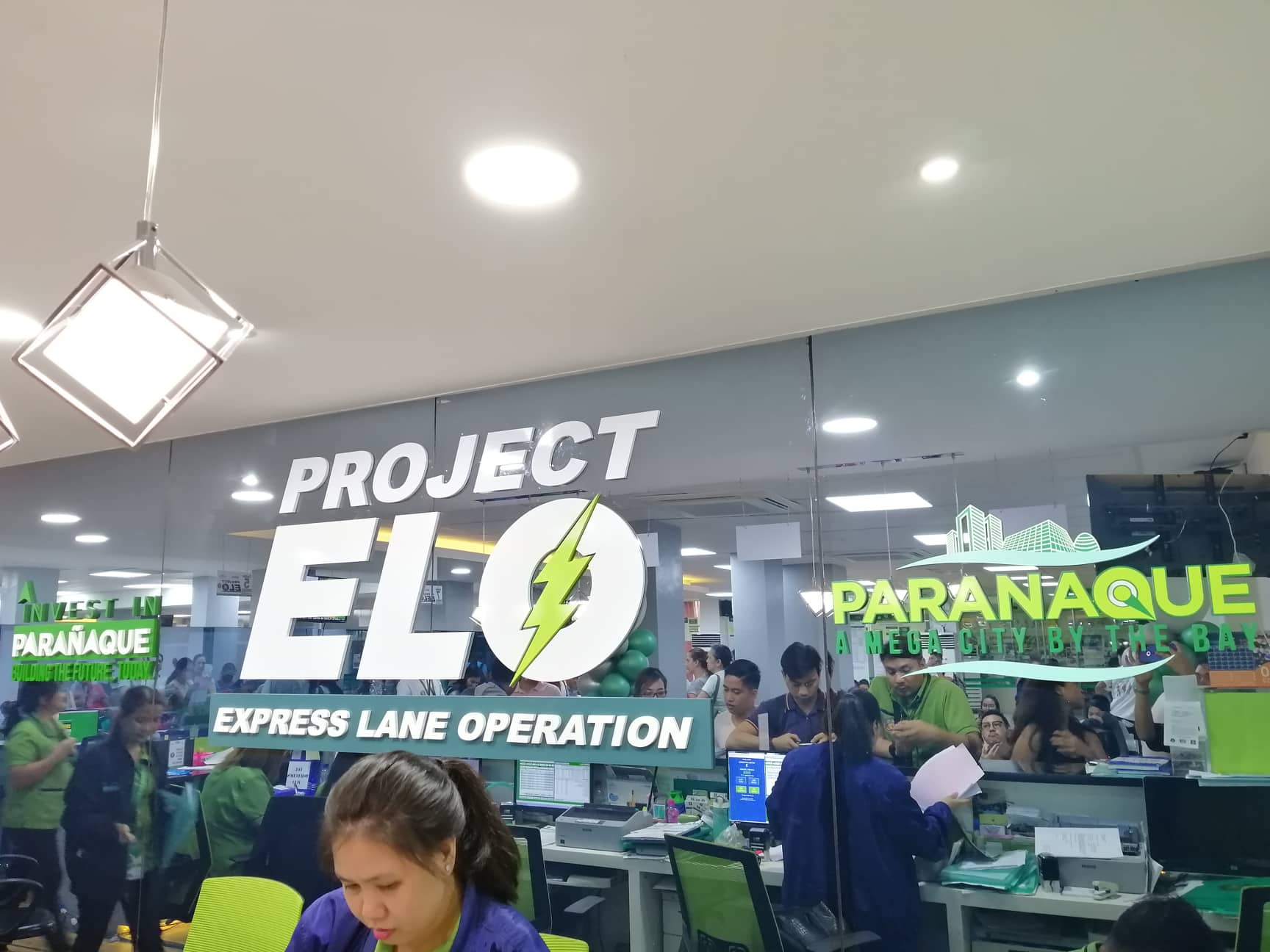
The first thing that I noticed as I entered Parañaque BPLO was the large number of people actually having their transactions in the office and everyone was actually very busy. Anyone visiting for the first time would also easily notice how green the office and the uniform of the staff were which I later learned is the official color of their incumbent mayor. Despite the hectic workload, we were lucky enough to have a 45-minute talk with Mr. Billy Dorol to enlighten us more on the processes of BPLO Parañaque and its impact on the workers, the citizens, and the city in general.

In the interview, it has been emphasized how they were able to transition from 19 steps to a 3-step process through the commendable management of Atty. Melanie S. Malaya, BPLO Head, that was very efficient without increase in taxes which screams of ease of doing business and attracts a lot of investors. He mentioned how there was a significant increase of businesses from around 600 in 2013 to ~22,000 at present. This for them is the living proof on how the red tape was eliminated, but still, they are aiming for continuous progress and saying that if they will still find ways for improvement, they will do so such as more improvements with the help of information technologists and through expansion of their office to also be able to accommodate all those businesses that they are able to attract.

So your question now probably is, what are these 3 steps that made everything efficient?

(1) Submit all the required documents to be able to be issued of an Statement of Account

(2) Payment

(3) Issuance of Sanitary Permit, Fire Safety Inspection Certificate, and Mayor’s Permit

This really proves that BPLO Parañaque is a Business One Stop Shop. No wonder that its business taxes and fees collection increased from 768.8M in 2010 to 2.178B in 2017.

Next, we were able to go around the area more and talk to some citizens on their personal experiences with applying for the permit of their businesses. Aside from BPLO Parañaque being able to attain my high expectations, one of the highlights of this LGU visit for me was when I talked to one of the karinderya owners who preferred to not be named and that our interview not be recorded said that she liked the BPLO Parañaque better when it was under the term of the previous mayor who happens to be running against the incumbent mayor again this upcoming elections. She claimed that the process became longer and the fees significantly increased at present which is the total opposite of what we got from our interview in the office although the karinderya owner admitted that she is an open supporter of the previous mayor and not of the incumbent one. She said that she cannot say anything good with the current BPLO and is not enticed to start another business within Parañaque.

From this visit, I came to realize how important trust is between the government and its citizens combined with proper means of communication. Here, I cannot tell 100% which side is telling the truth because we have to accept the fact that in the case of the karinderya owner, she already had a bias because she is supporting another candidate especially that the election season is really nearing and I also cannot really debunk the increasing fees especially because there are other Parañaque citizens who have the same sentiments with her. According to her, if only it was not for her granddaughter that was living there, she probably will not be continuing with the business anymore. On the other hand, for Parañaque BPLO, they are definitely performing well because the awards as well as other BPLO branches really acknowledge them, but although this may be true, we also have to take into account if the progress our officials are aiming for are actually what the citizens need and want or if we can still do something to further make both sides meet in the middle. Only then can we say that the government has actually been effective in providing the services that its citizens need.

-Pic-A

What it is like to participate in a traffic management initiative

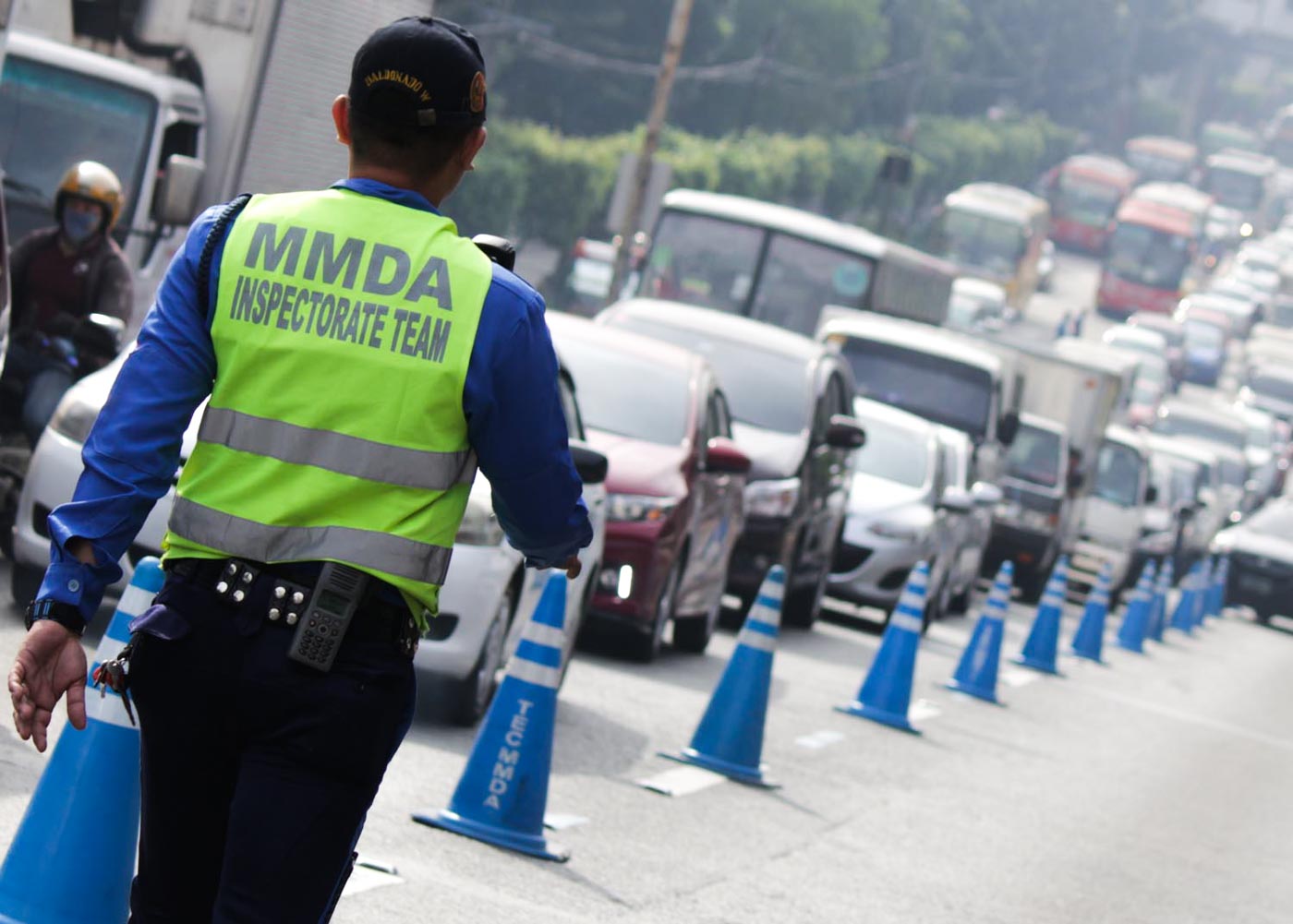
Traffic enforcer along Edsa Photo by Darren Langit/Rappler

“Hay nako, traffic nanaman, wala nang pinagbago!” This is always what I always hear from people and from me as well due to the problematic traffic situation here in the Philippines that can be called as a “wicked” problem. It is called as such because it would seem as if it is cannot be solved by anyone. Just this Monday, 22nd of April, I have experienced a really heavy traffic in the North Luzon Expressway. Not only that, but most of the public utility vehicle drivers also add up to the problem because most are undisciplined and reckless.

I am participating in the initiative of the government to reduce traffic by following the road signage and doing my part as a passenger and a driver. However, most of the time, the government forgets to consult the stakeholders on these kinds of matters. For instance, I usually ride a bus going home in SM North and there was one time when they close it and people were not informed about the closure and where the bus stop will temporarily be at. At the time, I had a bag full of clothes and other stuff because I just went to Nueva Ecija for my data gathering for my thesis. I did not know that they had closed down the bus bay in SM North. When I got in the bus bay, there were no buses lined up and there were MMDA employees around. I asked one of them where the bus stop is and he pointed it out to me. But because many passengers do not really follow the rules and the MMDA employees were not even dealing with the situation that many passengers just ride the bus wherever they want to, the traffic went bad in EDSA near the mall. If only the government has done its part by informing the public of the closure and brainstorming where the appropriate temporary bus stop will be, passengers would be at ease and traffic may not have built up.

I also have experienced driving alongside a jeepney driver who was so reckless. At the time, I was driving in Manila when a jeepney driver speeded up to beat the red light. As a citizen concerned with my welfare and the passengers’ welfare, I reported the incident to LTFRB by texting them the event that had just happened. However, I did not hear back from the said agency; they did not respond to my message. I am participating in a governance initiative by doing reporting the incident to them and letting them take actions on it, however, it is the government that lack the participation in dealing with the traffic management in this situation.

The last story I am going to tell is my experience in doing a job like the MMDA employees on the road. It is in my hometown that I was able experience this. There was an on-going road construction and only one side of the road is passable. The traffic is building up behind us because the cars from the other side wouldn’t let us through and because it was night time, there was no one there to manage the traffic so my siblings and I took over while on my pajamas. From that experience, I have realized how undisciplined all drivers are especially those with motorcycles and tricycles because I was asking them to stop and move aside so that the other side may pass through but they wouldn’t listen and kept on going until I stood in the middle of the road to make them stop.

Let me end this by saying that, traffic will never be solved without the cooperation and participation of everyone—the government, the institutions, and the people.

Pinakbet

Governance Project (GB # 2)

The Local Government Unit of Parañaque City, through the Business Permit Licensing Office, has created a streamlined business permits and licenses processing known as the Business One Stop Shop or BOSS under the “Bagong” Parañaque Program of the incumbent mayor of the said LGU.

From one of the existing papers on Business Permits and Licensing Office of Parañaque, a senior citizen was interviewed on her experience on the services of BPLO and she mentioned how the paperless application system in business renewal was beneficial to older people like her because the local government of Parañaque was open to the idea of streamlining the process and removed or combined some steps which made the whole process more efficient and therefore, easier for both the citizens and the assessors working for BPLO as well.

BPLO Parañaque is actually the first local government unit in the Philippines to start the total computerization process in BPLO. This is a very good sign on how a local government could adapt from the good performance of other countries and initiate this in our country to show that if others can do it for the betterment of service provision, then we can too. More than positively affecting the efficiency of the service, it is very environment-friendly because no application forms are needed anymore, still in-line with the vision of Parañaque to create a business-friendly atmosphere while preserving its environment at the same time. This innovative move of Parañaque makes the citizens experience a high quality of service that makes them trust their local government more and encourages them to participate in their community better. If the citizens feel that the government is taking care of them, they will be motivated to increase their level of productivity.

In 2018, a member of the group interviewed an ukay-ukay store owner for another paper in another Public Administration major. At that time, my group wanted to check the performance of BPLO Muntinlupa by comparing it with BPLO Quezon City. While the ukay-ukay owner was narrating his experiences, it can be easily observed that there are steps that really brought a lot of hassle for them. Instead of maximizing their time selling their products and earning money, they had to go back and forth to the BPLO branch to finish the licensing requirements annually. He suddenly opened to me how his store also had a branch in Parañaque and how it was a lot easier for them to operate in there because the process was more reasonable, innovative, and therefore, very much efficient. This actually was one of the motivators of our group for choosing to focus on the analysis of the business-friendliness of Parañaque. Just by looking at this example already shows how the good provision of services by the local government can entice its citizens to become more active in their community participation.

Governance is always a two-way street. The government should provide quality services and gain the trust of its citizens. In turn, the citizens should utilize the goods and services provided to them by becoming productive members of their respective communities. Economics plays a very important role in explaining how the efficiency of Parañaque BPLO can lead to more business investments from small-scale up to the large-scale in the LGU which will of course contribute to their overall income and therefore, improve their economy.

The discussion so far has been consistently giving praise to Parañaque as it has been really successful when it comes to attracting businesses which is good for the overall Gross Domestic Product of Parañaque and the Philippines in general. We cannot deny that its citizens are benefiting from this, but the next question that we have to ask now is that whether majority of the people that actually gain something from this are actually from Parañaque.

Being the home of the Baclaran Church and the Solaire Resort and Casino plus the established fact that it has a good performing BPLO that basically attracts income, Parañaque definitely entices many private and foreign investors in collaborating with the local government. This may be good for our economy, but to what expense? Are the people from Parañaque still the ones getting benefit from all these? Around April 2018, the SM group expressed its intent to make the border of Pasay and Parañaque the “next Hongkong” through a reclamation. This will come together with the proposed lowering of the corporate income tax rates. They already received the go signal through the environmental compliance certificate, approval of Pasay, and designs were already submitted to the Philippine Reclamation Authority. Although these information refer to Pasay, they are aiming to work next on the Parañaque side this 2019.

Also, another alarming case is the influx of Chinese nationals in Parañaque. Aside from them dominating it, there are illegal settlers being caught. A news reported in April 2019 narrated a Chinese national kidnapped after not being able to pay his debt from Casino financiers. Although the Chinese national was the one aggrieved here, this still is a threat to the safety of the Parañaque citizens. There was another news on a Chinese chef in Parañaque beating up a woman for trying to grab a bite of chicharon. First of all, he could have addressed the situation in a proper way, but what makes it worse is that he did not even have a permit for operating his business here in the Philippines, specifically in Parañaque and he had the guts to do that. It was also reported how there seems to be a “new China town” being built in Parañaque which shows how much the Chinese have dominated the local government unit. They are able to establish businesses such as restaurants and really give the government a huge amount of money for this, but they continue to disrespect and disobey even the simplest rule of providing english translations for their menus which was required of them in the first place. Would we really allow this situation to continually happen? At this point, we should already be noticing how the Chinese nationals take advantage of our country. We should be alarmed by this. Although we are open to globalization and the improvement of our economy, we should always remember that the Philippines is for the Filipinos. We can only hope that Parañaque can find ways to draw the line between business friendliness vs abuse of its rights the same way it was innovative in establishing the efficient BPLO that they have now.

While inclusivity and ease of doing business are important factors that are crucial to the success of Parañaque’s initiative, measures must also be taken in terms of monitoring and control in order to avoid the aforementioned issues. In doing so, the local government must implement stricter rules and regulations in business operations as well as increasing efforts to routinely monitor the establishments. Fines may also be imposed to hold violators accountable.

Whilst efforts to improve the BPLS in the local governance may result to citizens becoming mere receivers of action rather than active participants in this process. However, participation of the civil society and private sector may not only be confined to these actions but can be extended to further benefit both sectors through the economic and societal effects of such actions. Since the project primarily concerns the citizen, the said project makes civil society participation a must in conducting such reforms. Government processes reforms must not be confined in the administrative level but must also include the voice of the citizen as they are the primary benefactors and development partners of such reforms. The benefits of such would primarily reside in the efficiency and effect on public service that coincides with the mandate of the government to provide quality and efficient public service as well as to ensure the legality and welfare of business ventures. Second, the feedback and input from the actual clientele of the said process provides a different viewpoint than those of the administrators or think tanks in the government. As such, garnering public representation and citizen participation provides the administrators with the context outside the “ivory tower”, which may then result to a more citizen needs-based reforms that would best benefit the most. Thirdly, participation of the public may provide as sense of inclusion, responsibility, and added trust on the government. The barriers to such participation, however, lies on the actual will of both the local government and the civil society in such actions.

The recognition and awarding of Ranking No.1 in the ARTA Compliance Survey of CSC and Bantay.ph incurs  that the new is a success so far. Stakeholders are being treated as customers or clienteles rather than citizens who must be encouraged to participate in the decision-making of these projects, involved in their implementation, and empowered to do so. In which case, the local government of Paranaque evaluates and concludes that in order to increase customer satisfaction, you need to constantly innovate and improve on the experience of transacting with government. In this sense, citizens are not empowered to participate but treated like customers wherein they are “always right” and should be satisfied with the services offered by the government. They note that the more you streamline the process, the more you save time and money for both the taxpayer and government. The new system was intelligently created to be more efficient for the government and the citizen, which was made it a success. Then again, governance is a two-way street, and there should also be avenues for policy influences and voice that should come from the citizens to improve more efficient and sustainable processes in all departments of the government.

Aside from this, the local government must reevaluate its target benefactors as well as the key stakeholders in their initiative – local business owners. By shifting their focus towards ensuring that their needs are catered to, the Business One Stop Shop initiative plays a big role in enabling and encouraging the growth of local businesses, thereby contributing to local growth as well as setting an example for other LGUs to follow.

REFERENCES:

https://www.philstar.com/business/2018/04/26/1809374/sm-positions-pasay-paraaque-reclamation-project-next-hong-kong?fbclid=IwAR1xTmWmdSO-5z3uVSHkbfKdD2breHZmWKq1Iw8vwCRErfeEvGXWCNNLQ4o

https://www.philstar.com/business/2019/02/07/1891405/new-year-new-chinese-influx

Click to access Paranaque_City1.pdf

http://www.manilastandard.net/mobile/article/286896

Click to access BPLS%20Manual.pdf

On breaking boundaries

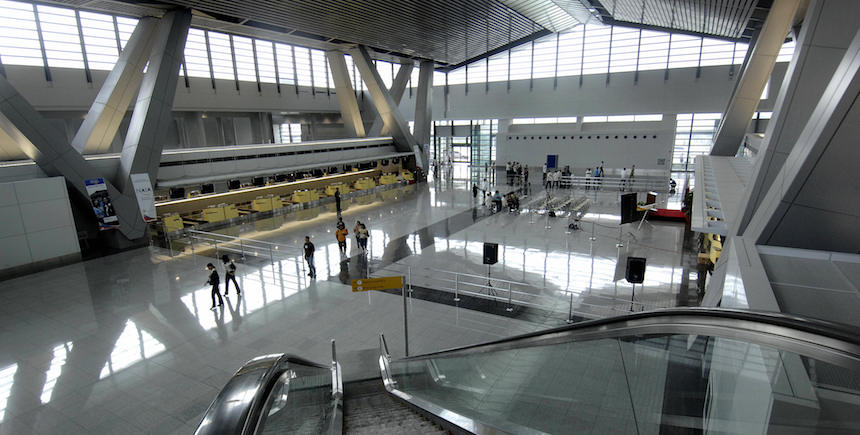
Image result for naia 3
from Google

As a Batangueña, Parañaque to me is a place that left mostly a sad memory in my heart because my mother is an Overseas Filipino Worker and this is where we bring her before we part ways for almost 11 months annually ever since I could remember. Aside from that, I was never really familiar with anything else about this place so it really required a lot of research on my part to know more about this city when it was assigned to our group. This is when I found out how Parañaque, aside from being a highly-urbanized city, is a major center for trade and business in Metro Manila having a good performing Business Permits and Licensing Office, Solaire Resort and Casino, and the Philippine Amusement and Gaming Corporation, among many others. It also is known for many small fishing villages and for a dominantly Catholic country like ours, nobody would miss out the Baclaran Church and the Cathedral Parish of St. Andrew on the list.

from Google

In my PA 113 class, I got to interview the Business Permits and Licensing Office of Quezon City and Muntinlupa and they were generally okay when it comes to performance, but the interesting thing that I was able to take away is how they highly recognized how efficient and effective the BPLO of Parañaque is which is a direct proof on how much the potential of this city can be knowing that it is also where our international airport is located. This is how crucial this place is.

Even tracing back to its history, we can see how this city has always been a very strategic place, sharing many flora and fauna to nearby countries like China. Its high class performance when it comes to trade and businesses is also an important aspect to be proud of, but there are still lots of improvements that we can do for it.

The Ninoy Aquino International Airport to improve their planning so that it could accommodate more passengers and provide them with a high quality service. It is also good that we have Parañaque that is contributing well to the economy of the Philippines as a while, but the question is that is it serving the Filipino people or the other countries especially with the issue on Pasay-Parañaque reclamation as the next Hong Kong.

REFERENCES:

https://www.manila-airport.net/naia-terminal-3.php
https://paranaquecity.gov.ph/
https://paranaquecity.gov.ph/bplo.php https://www.philstar.com/business/2018/04/26/1809374/sm-positions-pasay-paraaque-reclamation-project-next-hong-kong?fbclid=IwAR2D7kGM_jBpHSkwUv8RJXuGTkscfFokluv9cU_w-D8qw-clgprBr5UfWcg
https://triptheislands.com/destinations/the-top-6-attractions-in-paranaque-and-so-much-more/

-Pic-A

Traffic Management

Traffic is one of the major problems we currently face; it contributes to additional problems such as noise pollution, air pollution and pollution in general. It does not in anyway assist economic growth, it even delay development. Moreover, it raises the opportunity cost of the people caught in traffic, the time spend can be used in doing something else productive, such as spending time with their love ones or doing work or taking a nap etc. Nevertheless, the problem of traffic is not something to be taken for lightly.

There are a lot of factors that contribute to the worsening of traffic, factors like; overpopulation of vehicles, undisciplined drivers, bottlenecks, less roads, construction sights (along the road) and much more. Because of this traffic it delays productions, goods and services, making dependent variables to be set backwards or to loss/lessen profit and production. According to a statistical data, the Philippines is ranked within the top 10 with the worst traffic in the world, it is also found that metro manila is ranked as the 3rd worst traffic in the Southeast Asia (Rappler, 2017). Because of this growing issue, studies show that Filipinos spend an average of 1 hour and 6 minutes in traffic and losing income opportunities per year up to Php.100,000 (Dancel, 2017). Thus, traffic affects filipinos greatly due to the many losses provided by traffic. Unfortunately, there is no immediate solution to the problem of traffic, it is however, possible to target the factors that contribute to the growth of traffic in the philippines.

In Parañaque City, the “no contact apprehension” policy was implemented with the plan of reducing traffic by 20% by installing a number amounting 20 cameras to detect violators. According to the data gathered by the Traffic Parking Management Office (TPMO), Chief Teddy Barandino said that the policy was of great assistance in reducing traffic, it is similar with the “no contact apprehension” implemented with the MMDA, where both policies utilizes cameras that can detect and distinguish; type of vehicle and plate number which will later be identified and sanctioned accordingly.

Dancel, R. (2017, November 28). Filipinos spend 16 days a year stuck in traffic: Study. Retrieved from https://www.straitstimes.com/asia/se-asia/filipinos-spend-16-days-a-year-stuck-in-traffic-study

IV, R. M., Manahan, R., Manahan, R., Tan, W., Tan, W., Tadeo, P. E., . . . Cruz, C. A. (2018, August 08). Parañaque’s No Contact Apprehension Cuts Traffic Violation Cases by 20%. Retrieved from https://www.carmudi.com.ph/journal/paranaques-no-contact-apprehension-cuts-traffic-violation-cases-20/

Rappler.com. (n.d.). Metro Manila has 3rd worst traffic in Southeast Asia – study. Retrieved from https://www.rappler.com/business/190016-metro-manila-traffic-southeast-asia-study-bcg-uber

Worst Traffic in the World: Countries Ranked and Philippines is Number… (2015, January 25). Retrieved from https://www.wheninmanila.com/worst-traffic-in-the-world-countries-ranked-and-philippines-is-number/

#tinola

Under the public eye: Citizen Participatory Audit

Voting in elections, as an example, is one of the most encouraged form of participation however, civil society participation comes in many forms such as petitions, rallies, demonstrations, social media interaction, attending local assemblies, and many more.

For most engagement activities done to encourage and stimulate citizen participation, the level of such participation only reaches to non-participation to tokenism. However, if one would look into the impact of such participation, the local knowledge locals can immensely help the program. Community-based disaster risk management initiatives include the creation of hazard maps. Hazard maps are more efficiently created with the help of the residents of the area. After all, they know extensively more about the area and the risk present in such than most people. With their participation, DRR activities, plans and programs will be crafted to better accommodate their needs and answer to their perceived risks and most immediate concerns. In addition to this, the residents themselves will be made more aware of the risks and hazards that surrounds their area. CBDRRM after all aims to harness the local capacity of residents and locals in order to address risks in anticipation of hazards. As such, individuals residing in the area does not become mere receivers of information, resources and assistance but are capable of providing immediate aid and minimize existing risks. By harnessing the local knowledge, skills and inputs from the citizens, the DRRM measures for the area is expected to be more effective and needs based. The same can be said for other government initiatives.  

Participation, I would say, requires not only an existing avenue and will from both government and its constituents but also entails the responsibility to know more about the processes of the government and the underlying issues that plague the bureaucracy. Since the Philippines is said to be a democratic country, participation of the masses should be encouraged, even more so in the local government. Regardless if it is a negative feedback or not, the voice and power of the public must not be limited since as they are the backbone of this democracy. To rightly honor the right of the people to be involved and to make such participation even more efficient and productive, it is the duty of the government to provide good education to the Filipino people that is centered on improving the nation.

In the belief that public accountability can only thrive[LS1]  with the involvement of the citizens, the Commission on Audit launched the Citizen Participatory Audit. To enlist the vigilant eye of the public in monitoring government projects, this program aims to ensure accountability, transparency, and the efficient and rightful use of public resources with the involvement of the public. Participation through this program can come in the form of first-hand data gathering, user feedback, project evaluation and other auditing processes. As a student and citizen, government projects and programs are a main concern since the people’s tax are poured into these. As such, such a program from the COA can help both government and the public in ensuring that government funds were used efficiently and effectively. Ideally, this avenue for participation could have helped in project evaluation since the public can help in compare the project goals and actual project outcome.

However, it is in my opinion that to fully achieve genuine participation for the citizenry, such programs should be widely advocated and promoted and not merely shown in international reports to advertise such initiatives.

Relevant Links:

Lorenzo, M .(2019). Citizen participation in pursuit of government accountability. CPD Policy Blog. Retrieved on March 22, 2019 from https://policyblog.uni-graz.at/2018/04/citizen-participation-in-pursuit-of-government-accountability/


-bbq

The needed participation for the K-12 Program

Governance, as I have learned, constitutes the government, the private sector, and the Filipino citizens or the masses, who are not part of the sectors aforementioned. It is only important, in any policy, program, and/or project of the government, to consider and engage all sectors of the society to result in a positive outcome. With this, I will further discuss what my participation, and all other sectors’ participation, should be on the crafting of the K-12 program.

I believe citizens’ participation in the design, guidelines for implementation, and pursuance of the K-12 Program should not be limited on the level of consultation. I will justify this by pointing out two arguments.

First, the K-12 Program will greatly affect not only the students, as the recipients of the program, but the parents of these children. Although there is a voucher being offered by the Department of Education, some private schools still do not accept such voucher. I know this because my younger brother has undergone the program and he did not avail of the voucher of the government since the school does not accept it. As a result, my parents had to shoulder the expensive tuition fee and other school-related expenditures. In addition, some students who availed the voucher of DepEd still do not receive free education because they had to pay some portion of the tuition fee that is not covered by the said voucher. This is another burden to most parents especially to those who are not fortunate in life and have difficulty knowing how and where to make money for their everyday expenses. For my parents, it is a burden because the tuition that is paid for his secondary education should have been allotted to his tertiary education. Also, my parents could have retired earlier because all of us have already graduated from school and are able to work and make money of our own if the program was not implemented.

Second, K-12 Program should be matched with the curricula in tertiary education. If research subject is already being taught and done in Grade 12, then, what new knowledge can be gained in college? If what is being taught in college is already integrated in the K-12 Program, why do these individuals be encouraged to enter college then?

Thus, my participation as a citizen should be at the level of Delegated Power, wherein the citizens are the ones to decide over the program. Through this participation, I am certain that my demands are to be integrated in the final decision. Because there is participation from the government and the people, a more relevant and appropriate policies and/or programs can be formed.

Pinakbet

Achieving a Sustainable Waste Management System

Three years ago, as a resident of Baguio City, we were encouraged to segregate our trash into only two categories namely Biodegradable and Non-Biodegradable. It should be noted that there is a lack of solid waste management disposal facility in Baguio City which was reported in August 2018, that had cost the local government more than P472 million in hauling and tipping fees. “A solid waste management disposal facility was not established die to lack of suitable area to put up the integrated solid waste system contrary to the Ecological Solid Waste Management Act of 2000 resulting in expenditures for hauling and tipping fees totaling P472,462,097.19 for the calendar years 2011 to 2017.” Baguio City hauls its garbage to Tarlac City. Baguio has since been driven in practicing waste reduction, but the 472 million expenditure would have been used for other development projects. Solid waste has increased for the past years and nowhere to put it. This is why, as a citizen, we should be responsible for the waste we produce and for reducing them to be able to live a much more sustainable community. Especially, in the situation of Baguio wherein the limited geography is not proportional to the population producing waste.

When I moved to Quezon City, we do not directly participate in waste segregation but our building should. Quezon City, in an effort to improve solid waste management adopted the Package Clean-up System. The Package Clean-up System is where the contractor assumes the full responsibility for waste management,from collection until disposal. Unassuming the responsibilities of the resident, even with the right for their trash to be collected and managed, residents do not have a mandated duty in making managing and segregating their own trash in their residential homes.

However, in public there are few segregated trashcans available for us to directly segregate and manage our own trash. The Package clean-up system has said to significantly reduce the City’s waste collection expenses without sacrificing efficiency.

Waste is now managed by private companies or the contractors, with their contracts being limited to one year because of the national procurement law. Private operators are not guaranteed a great return of investment when their equipment is modernized; their incentive will be very limited. Better equipment would eventually lead to more effective and efficient service delivery. This makes their waste management system financially unsustainable because the city is not collecting garbage management fees, because the cost if collection is higher than the budget allocation for it. Waste is then hauled to the Payatas dumpsite which has more than 5 years of life remaining with just the current landholdings. Quezon City, not having to fund a program to inform, educate, and communicate ways to change the behavior and attitude of the people towards waste management, compensates on funding promotional campaigns aimed at achieving the a wide participation in protecting the environment.

The problems in both cities root from a lack of geographical and financial sustainability on managing and dumping them. More than the problems the government, we must strive as individuals to make our homes, our communities, our cities, and eventually our country to be more sustainable.

-Sisig

Creating Safe Spaces for All

by Adobo

Quezon City has pioneered a law to stop street harassment. Partnering with UN Women to implement the Safe Cities and Safe Public Spaces Global Initiative, this move aims to make streets and public spaces such as transport terminals and PUVs safer for women and girls, who constantly face threats to their safety in various forms such as catcalling, wolf-whistling, and groping. Through this initiative, the Quezon City local government enforces punishment and penalties to sex offenders who threaten safe spaces.

image source:  UN WOMEN Asia and the Pacific http://asiapacific.unwomen.org/en/countries/philippines/safe-cities-metro-manila

Like any law, I believe that the key to ensuring the effectiveness of Quezon City’s safe spaces initiative is the participation and active involvement of the people. This particular ordinance relies heavily on the people’s efforts not just in reporting the acts of sexual harassment but also in fostering an environment where it cannot continue to exist, and I believe it starts in the most basic of social units – the family.

Even before children start attending school, they are educated by their parents and elders about societal norms as well as what constitutes acceptable behavior. The home is where the values that children grow up with are reinforced, and as such, it is important to recognize the role that the family plays in helping to create safe spaces. At a young age, children must be taught the importance of consent as well as respecting others’ personal space. I strongly believe that instead of teaching young girls to take care of themselves and take precautionary measures against predatory men, young boys should be taught the importance of consent. In this day and age, I believe misogyny and entitlement are no longer acceptable, and with the modernization of our society, it is only natural that we abandon barbaric ways of thinking that belittle and oppress women, and instead champion equality and mutual respect.

As a student, there are many ways for me (and others like me) to fulfill my role in this certain governance initiative. These include:

  • Having no tolerance for sexual harassment – I will not tolerate any act of sexual harassment committed against me and anyone I know, and I will make sure to report to the proper authorities.  
  • Being vocal and advocating for safe spaces – By using my voice to be a positive influence on my peers as well as the people around me, I will advocate for the creation of safe spaces through raising awareness and encouraging others to do the same.
  • Educating others on steps they can take to help create more safe spaces
  • Being respectful of personal boundaries

By practicing some of these simple steps, I can help create safe spaces and fight against sexual harassment. Along with institutional reforms that penalize violators to produce concrete results, I hope that in the future, every girl and woman will be able to walk the streets without worrying about being harassed and threatened. It will take time and genuine involvement from the people, but by working together, we can create safe spaces for everyone.

Related links:

UN WOMEN Asia and the Pacific (2015) To walk the streets of Quezon City without fear of violence against women. retrieved from: http://www.unwomen.org/en/news/stories/2015/12/to-walk-the-streets-of-quezon-city-without-fear-of-violence-against-women

UN WOMEN Asia and the Pacific (n.d.) Safe cities – Philippines. retrieved from: http://asiapacific.unwomen.org/en/countries/philippines/safe-cities-metro-manila

UN WOMEN Asia and the Pacific (2016) QC’s Pioneering Law to Stop Street Harassment. retrieved from: http://asiapacific.unwomen.org/en/news-and-events/stories/2016/03/qcs-pioneering-law-to-stop-street-harassment

Quezon City Local Government (2018) The Quezon Safe City Model: Ensuring Public Safety and Addressing Sexual Violence in Public Spaces. retrieved from: http://quezoncity.gov.ph/index.php/latest-news/item/22-the-quezon-safe-city-model-ensuring-public-safety-and-addressing-sexual-violence-in-public-spaces

Governance Project Overview (GB#1)

Parañaque, as a first-class highly urbanized city, envisions to be a “model of academic excellence, public health and safety, environmental preservation and good governance, providing equal opportunities for all, in a peaceful and business-friendly atmosphere through a God-centered leadership.”

With the mission of emerging as a primary investment and tourist destination in Metro Manila through the creation of a business friendly and academically excellent city whilst  exhibiting good governance and public order as well as livelihood, housing and health programs. With this in mind, it is the collective decision of this group to look unto the business friendliness and competitiveness, a dimension in the Seal of Good Local Governance, as the city’s focus reflected in the vision and mission of this city, focusing on the streamlining of business permits and other licenses.

Streamlining the business permit and licensing system (BPLS) would result to a yield in the registration of new or formerly informal businesses, creation of new businesses and to generate additional revenue which would consequently result to employment opportunities and social benefits for the population. Improving this service to businesses will ultimately improve the investment and business climate in the LGU through the reduction of administrative costs, bureaucratic procedures and delays that impedes or discourages business registration or start-up.

  1. Past and Current BPLS in Parañaque
  • Before the administration of incumbent Mayor Edwin Olivarez, it would take thirty three days to start a business in Parañaque City. In fact, according to the study Doing Business in the Philippines 2008 by the World Bank, Parañaque City ranked 8th among the cities in Metro Manila in the ease of starting a business.
  • The current Paperless Application System in Business Permit Renewal was developed with the goal of streamlining government transactions in all departments and offices of the Parañaque City government, and was fully adopted in January 2016. Since the system is fully computerized, all necessary information is accessible to both taxpayer and BPLO via a secure database, where the information is encoded and stored. Under this system the information may be easily accessed and reviewed, or if needed, updated and modified.  The said system benefits over 20,000 registered establishments, and is consistent with the standard processing time as well as the five-step standard in applying for business permit renewal.
  • The image below shows a comparison of the procedure in securing business permit (renewal) from 2014-2015 (before the paperless system was introduced) vs 2015-2016. The process further reduces the delays by phasing out the need for an application form and reducing the need for transacting through numerous windows and steps.

(taken from PAPERLESS APPLICATION IN BUSINESS PERMIT RENEWAL PROCESS in Parañaque City)  

  1. Stakeholder Analysis

Based on the 2009 study done by Ateneo School of Government entitled Business Registration Process Quality and Management Survey, a percentage of 40% satisfaction rate among businessmen respondents said that they spent 1-3 days in securing their business permits in the city. However, in the 2016 survey conducted by the National Competitiveness Council, the client satisfaction has increased. The Overall Customer Satisfaction Scores for New Business Registration in Parañaque City is 6.73 out of 10, which clearly shows an increase from 40% in 2009 to almost 70% in 2016. In accordance to the Compliance and Citizen Satisfaction Survey of the CSC and Bantay.ph that looks at client satisfaction, transparency, process flow and compliance to ARTA standards, the city, as the first to establish a paperless system in the renewal of business permits was ranked as the highest in NCR. Garnering the score of 90.7 or 4.5 stars, the city emerged at the top.

    c) SWOT Analysis

StrengthsWeaknesses
-Paperless system phased out the application form
-Eradicated the need to transact through different windows
-Removes unnecessary and repetitive steps (encoding data from written application form).
-Confidential information of businesses stored in one database
OpportunitiesThreats
-Modernizing the process
-Improving standard and sets example for other cities-Will encourage investments and business start-ups
-Increased employment, social benefits, and revenues
-Concise and efficient data storage
-Security and Confidentiality of data

In summary, the group plans to look at the BPLS of the City of
Parañaque and delve into the intricacies of the process as well as the changes implemented from the old to the paperless process. As part of our Governance project,  we aim to compare the systems and analyse the effects of such change to the business atmosphere and competitiveness of the city as well as to provide further recommendations as to improve the BPLO in the said city.

Related Links:

PAPERLESS APPLICATION IN BUSINESS PERMIT RENEWAL Parañaque City. https://lgisb.lga.gov.ph/uploads/best_practice/Paranaque_City1.pdf?fbclid=IwAR3d2_HEiWXV1MxutbT4kLkBItI95xjoEJBtEA2C8OTr2kwsNHxKNsUmTqw

Result of 2016 BPLS Field Monitoring and Evaluation Survey.http://www.competitive.org.ph/files/downloads/2016_BPLS_Field_Monitoring_and_Evaluation_Survey_Simplified.pdf?fbclid=IwAR00OeV3jqpBiaFWy5Q4P9u5ZmjddXmVXDzq7eTCVqsyWqiRcc32AF_T8zs

Application of Business Permit. http://paranaquecity.gov.ph/pdf/regforms/form-application-businesspermit.pdf

http://downloads.caraga.dilg.gov.ph/LGU%20Downloads/BPLS%20Manual.pdf